Why Industrial Quality Control Matters for Your Bottom Line
Industrial quality control is the systematic process manufacturers use to ensure products meet defined standards and specifications before they reach customers. It combines inspection, testing, and statistical methods to identify defects, reduce waste, and maintain consistent product quality throughout the production process.
Quick Answer: Industrial Quality Control Essentials
- What it is: A systematic approach using inspection, testing, and statistical analysis to ensure products meet quality standards
- Primary goal: Identify and eliminate defects before products reach customers
- Key benefits: Reduced waste, lower costs, improved customer satisfaction, regulatory compliance
- Core methods: Statistical Process Control (SPC), Six Sigma, inspection protocols, and testing procedures
- Who needs it: Any manufacturer producing physical goods, especially in regulated industries
The stakes are high. A single quality failure can trigger costly recalls, damage your brand reputation built over decades, and erode customer trust. For Fortune 500 companies managing global supply chains, the complexity multiplies—navigating different standards across countries, coordinating with offshore partners, and ensuring consistency despite distance and cultural differences.
Quality control isn’t just about catching bad parts. It’s about building systems that prevent defects from happening in the first place. When done right, industrial quality control reduces rework by identifying problems at their source, cuts material waste through tighter process controls, and ultimately delivers products that perform as promised.
The challenge intensifies when manufacturing offshore. Different regulatory environments, communication barriers, and logistics complexities can make quality control feel like managing chaos from 8,000 miles away. Yet the cost savings from contract manufacturing in countries like Mexico, China, and Vietnam remain compelling—if you can maintain quality standards.
I’m Albert Brenner, co-owner of a contract manufacturing company with over 40 years of experience implementing industrial quality control systems for Fortune 500 clients across home improvement, sporting goods, automotive, and outdoor products. Through decades of managing offshore production, I’ve learned that successful quality control requires both rigorous systems and trusted manufacturing partners who understand your standards.

The Foundation of Excellence: What is Industrial Quality Control?
At its heart, industrial quality control (QC) is a systematic and structured process employed in manufacturing and production to ensure that products meet defined quality standards and specifications. Its primary objective is to identify and rectify defects, non-conformities, or product or process variations, guaranteeing consistent quality and reliability. We aim to ensure that every product we deliver conforms to the agreed-upon specifications, catching any issues before they become headaches for our clients or their customers.
Think of it as a proactive defense mechanism, designed to catch errors before they escalate. While it’s often seen as a reactive, product-oriented approach—inspecting goods after they’re made—its true power lies in the insights it provides for continuous improvement. For proven tips on managing quality issues, explore our guide: Proven Tips to Manage Quality Issues in Manufacturing.
Quality Control (QC) vs. Quality Assurance (QA)
It’s easy to confuse Quality Control (QC) with Quality Assurance (QA), but they play distinct, complementary roles in a robust quality management system. We often explain it like this: QA is about building quality into the process, while QC is about verifying the quality of the product.
| Aspect | Quality Assurance (QA) | Quality Control (QC) |
|---|---|---|
| Focus | Process-oriented | Product-oriented |
| Goal | Prevention of defects | Detection and correction of defects |
| Approach | Proactive (ensuring processes are correct) | Reactive (identifying issues in finished products) |
| Tools | Audits, process checklists, procedure documentation, training | Inspection, testing, sampling, statistical methods, rework |
| When | Before and during production | During and after production |
QA focuses on designing and improving the manufacturing processes themselves, aiming to prevent defects from occurring. It’s about establishing the right systems and procedures. QC, on the other hand, concentrates on identifying defects in products after they have been produced, through rigorous inspection and testing. Both are critical for delivering high-quality products consistently.
The Core Components of an Effective QC System
Implementing an effective industrial quality control system isn’t a one-and-done task; it’s a multi-faceted endeavor built on several key components:
- Quality Policies and Procedures: These are the blueprints for quality. Well-documented policies and procedures ensure everyone understands the standards and how to achieve them. They define what “quality” means for your specific products, whether it’s the durability of an outdoor product or the precise fit of an automotive part.
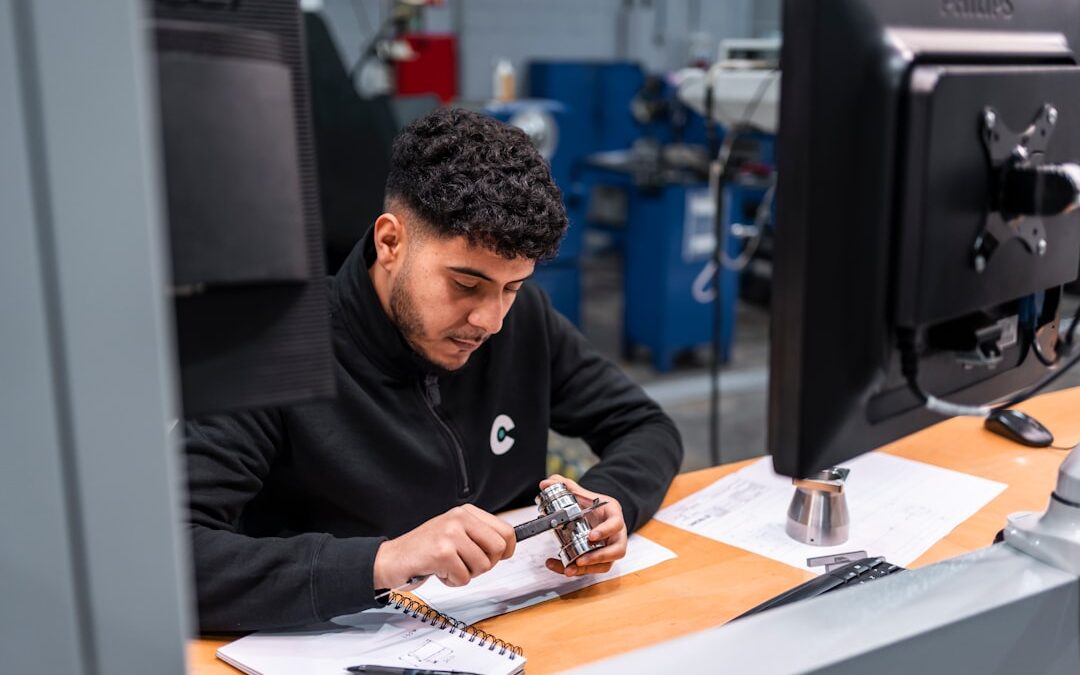
- Inspection and Testing: This is where the rubber meets the road. Regular inspections and testing of raw materials, components, and finished products are crucial. This might involve checking the tensile strength of materials for sporting goods or the precise dimensions of home improvement components.
- Document Control: Every quality-related activity, from material specifications to final inspection reports, must be carefully documented. This ensures traceability, accountability, and provides a historical record for continuous improvement.
- Corrective and Preventive Actions (CAPA): When a defect is found, it’s not enough to just fix the product. CAPA procedures ensure we investigate the root cause of the problem and implement actions to prevent its recurrence (corrective action) and similar problems from happening elsewhere (preventive action).
- Supplier Quality Management: In offshore manufacturing, the quality of incoming materials and components from suppliers is paramount. We work closely with our factory partners to establish clear quality expectations, conduct supplier evaluations, and ensure their processes meet our rigorous standards. For a deeper dive into managing supplier performance, check out our guide on Supplier Scorecards: The Complete Guide.
- Employee Training and Development: A quality system is only as good as the people operating it. Ongoing training ensures that employees possess the necessary skills and knowledge for effective quality control, fostering a culture where everyone takes ownership of quality.
The ROI of Reliability: Why Industrial Quality Control is Non-Negotiable
Investing in robust industrial quality control isn’t just about avoiding problems; it’s about driving tangible business benefits. It’s the engine behind customer satisfaction, cost efficiency, and a powerful competitive edge.
One of the most immediate returns on investment comes from reduced waste and lower rework costs. By identifying and addressing defects and non-conformities early in the production process, we significantly cut down on wasted materials, labor, and time spent on fixing mistakes. This translates directly into significant cost savings for our clients.
Furthermore, strong QC leads to improved product reliability and improved customer satisfaction. When home improvement products fit perfectly, sporting goods perform as expected, and automotive parts function flawlessly, customers are happy. Happy customers are loyal customers, and they often become brand advocates.
This, in turn, builds a strong brand reputation and competitive advantage. Consistently delivering high-quality products distinguishes us and our clients from competitors, potentially leading to increased market share. In a crowded marketplace, quality is a differentiator.
We also ensure regulatory compliance, which is non-negotiable in many industries. For instance, automotive parts must adhere to strict standards like IATF 16949, while outdoor products might need to meet specific durability and weather resistance testing. Adherence prevents costly penalties, legal liabilities, and damaging product recalls.
Finally, we carefully perform an analysis of quality costs. While often hidden, the “Cost of Poor Quality” (COPQ) can be substantial, encompassing internal failures (scrap, rework), external failures (warranty claims, returns, lost sales), appraisal costs (inspections, testing), and prevention costs (training, quality planning). By minimizing COPQ through effective industrial quality control, we improve profitability and operational efficiency.
The Quality Toolkit: Key Methodologies and Techniques
To achieve consistent quality, we don’t just rely on good intentions; we employ a suite of proven methodologies and techniques. These approaches provide frameworks for systematic improvement and defect prevention. For a comprehensive understanding of manufacturing terminology, which is essential when implementing these techniques, refer to our guide: Understanding Manufacturing Terminology in the Global Supply Chain.
- Six Sigma: This data-driven methodology aims to virtually eliminate defects by reducing variation in manufacturing processes. It seeks to achieve a level of quality where only 3.4 defects occur per million opportunities, ensuring near-perfect outcomes for complex components like automotive parts.
- Lean Manufacturing: Focused on maximizing customer value while minimizing waste, Lean principles are all about efficiency. It identifies and removes non-value-added activities, streamlining production processes for home improvement and sporting goods alike.
- Total Quality Management (TQM): TQM is a holistic approach that places the customer at the forefront of all decisions and emphasizes that quality is the responsibility of everyone in the organization. It promotes continuous improvement and consistent replication of successful processes.
- Just-in-Time (JIT): This inventory strategy aims to increase efficiency and decrease waste by receiving goods only as they are needed in the production process. JIT requires deeply embedded industrial quality control with rigorous protocols for vendors and suppliers, especially crucial in offshore manufacturing where lead times are longer.
- Lean Daily Management (LDM) Boards: These visual tools are powerful for day-to-day quality management. LDM boards help us visualize quality metrics, enable daily problem-solving through stand-up meetings, standardize quality processes, foster a culture of quality, and link quality directly to customer value.
A Deep Dive into Statistical Process Control (SPC)
At the core of many modern quality initiatives is Statistical Process Control (SPC), a powerful data-driven approach to monitoring and improving manufacturing processes.

The historical origins of SPC trace back to the 1920s with Walter Shewhart of Bell Telephone Laboratories. He pioneered the application of statistical methods to industrial quality control, developing the concept of the control chart to distinguish between random and assignable causes of variation. His work laid the foundation for modern quality management. Later, Dr. W. Edwards Deming championed these methods, particularly their adoption in post-war Japan, where they contributed significantly to the country’s reputation for high-quality manufacturing. Even today, the widespread use of control charting procedures is greatly assisted by statistical software packages and sophisticated data collection systems.
SPC helps us understand and achieve process stability. A process is considered stable when its output is predictable and within expected limits, not triggering any of the control chart ‘detection rules’ for variation.
Control charts are the primary tool of SPC. They work by plotting data points from a process over time, typically showing a Center Line (CL) representing the average or target value, and Upper Control Limits (UCL) and Lower Control Limits (LCL). These limits define the expected range of variation for a stable process. If data points fall outside these limits, or show non-random patterns within them, it indicates that the process is out of statistical control and requires investigation. This allows us to monitor process behavior, find issues in internal systems, and find solutions for production issues in real-time.
Managing Variation: The Heart of SPC
The fundamental principle of SPC revolves around understanding and managing variation. No two products are ever exactly the same, and some degree of variation is inherent in any manufacturing process. SPC helps us distinguish between two types:
- Common Cause Variation: This is the natural, inherent, and consistent variation present in a stable process. It’s due to random factors that are always present and difficult to eliminate individually. We expect this level of variation; it’s part of the process’s normal behavior.
- Special Cause Variation: This variation stems from external, intermittent, and unpredictable factors that affect the process output. It indicates that the process is out of statistical control. Examples might include a faulty machine part, a new batch of raw material, or an untrained operator.
The goal of SPC is to identify and eliminate these special causes of variation, also known as assignable causes. When excessive variations are detected, we perform activities to identify the source. Tools like Ishikawa (fishbone) diagrams are invaluable here, helping us brainstorm potential causes (e.g., Man, Machine, Material, Method, Measurement, Environment) and pinpoint the root of the problem.
Once a process is stable and free from special causes, we can perform a process capability analysis. This assesses whether the stable process is inherently capable of consistently meeting the specified requirements for our clients’ home improvement, sporting goods, or automotive products. For more detailed information on SPC, visit What is Statistical Process Control?.
The Future of Flawless: Technology and Careers in Quality Control
The landscape of industrial quality control is rapidly evolving, driven by technological advancements that promise even greater precision and efficiency. We are moving beyond traditional inspection to predictive quality.
The advent of Industry 4.0 is changing QC by integrating smart sensors, the Internet of Things (IoT), Artificial Intelligence (AI), and Machine Learning (ML). These technologies allow for real-time data collection and analysis from every stage of the production process. Imagine smart sensors on a conveyor belt inspecting every automotive part, or AI algorithms predicting potential defects in outdoor product components before they even occur.
Predictive quality analytics and big data analysis enable us to move from reactive defect detection to proactive defect prevention. Machine learning models can analyze vast datasets to identify subtle patterns that indicate an impending process deviation, allowing for intervention before a non-conforming product is produced. This improves our ability to maintain the highest quality standards in offshore manufacturing, even across vast distances.
Career Paths in Quality Control
The field of industrial quality control offers diverse and rewarding career paths for dedicated professionals. As technology advances, the demand for skilled quality specialists continues to grow. Typical roles include:
- Quality Inspector: These professionals perform hands-on inspections and tests, ensuring products meet specifications.
- QC Technician: Often involved in setting up and calibrating testing equipment, collecting data, and performing basic analysis.
- Quality Engineer: These roles focus on designing, implementing, and optimizing quality systems and processes, often utilizing SPC and other advanced methodologies.
- Quality Manager: Oversees the entire quality department, develops quality strategies, and ensures compliance with industry standards.
Professional organizations like the American Society for Quality (ASQ) offer certifications that can significantly boost career prospects and earning potential. While salaries vary by industry, experience, and location (e.g., Thousand Oaks, CA), the U.S. Bureau of Labor Statistics (BLS) reported average salaries as of May 2024: Professional, scientific, and technical services: $50,300; Manufacturing: $48,170; Wholesale trade: $46,400; Administrative and support services: $37,490. As you gain experience and move into management, pay increases, making it a rewarding field for those passionate about precision and excellence.
Frequently Asked Questions about Industrial Quality Control
We often get questions about the practical application and implementation of industrial quality control. Here are some common inquiries:
How do quality control standards differ across industries?
Quality control standards vary significantly from one industry to another, primarily due to differences in product function, associated risks, and regulatory environments. For the products we specialize in:
- Automotive: Requires extremely rigorous standards like IATF 16949, focusing on defect prevention, reduction of variation and waste, and continuous improvement. Precision, safety, and reliability are paramount.
- Sporting Goods: Often adheres to ASTM (American Society for Testing and Materials) standards, emphasizing product safety, durability, and performance under specific conditions.
- Home Improvement: Focuses on safety, material specifications, and fit-and-finish, ensuring products are safe to install, durable, and aesthetically pleasing.
- Outdoor Products: Demands rigorous durability and weather resistance testing to ensure products withstand harsh environmental conditions and perform reliably in the field.
These industry-specific requirements guide our QC processes, ensuring that every product manufactured meets its intended purpose and exceeds customer expectations.
What are the first steps to implementing a quality control program?
Implementing an effective industrial quality control program requires a structured approach. Based on our experience, the initial steps are crucial:
- Obtain Management Commitment: Quality initiatives thrive when leadership is fully on board. Senior management must understand the ROI of quality and commit resources.
- Define Clear Standards and Specifications: Understand customer needs and translate them into precise, measurable product specifications and quality benchmarks.
- Establish Inspection Points: Determine critical stages in the manufacturing process where inspections and tests will occur, from raw material receipt to final product assembly.
- Train Personnel: Ensure all team members, from the factory floor to management, are trained on quality policies, procedures, and their specific roles in maintaining quality.
- Choose the Right Tools: Select appropriate QC tools and methodologies (e.g., SPC, Lean, specific testing equipment) that align with your product and process needs.
By following these steps, we lay a solid foundation for a robust quality system. For more detailed guidance, refer to our article on how to Maintain Quality Control Program.
Can SPC be used for short production runs?
Absolutely! While SPC is often associated with high-volume, continuous production, it can indeed be effectively adapted for short production runs. This is particularly relevant in offshore contract manufacturing where batches might be smaller or product variations more frequent.
For short runs, specialized control charts are often used, such as X-bar and R charts adjusted for small sample sizes or attribute charts for defect rates. The focus shifts from monitoring a single, long-running process to monitoring process parameters across different but similar production runs. The Automotive Industry Action Group (AIAG) even provides resources like their SPC Short Run Supplement, which offers specific guidance for applying SPC in these scenarios, ensuring that even unique or custom home improvement or automotive parts meet stringent quality requirements.
Conclusion: Partnering for Global Quality Excellence
In an increasingly competitive global market, the importance of robust industrial quality control cannot be overstated. It is the bedrock of product integrity, customer satisfaction, and long-term business success. We’ve seen how it moves beyond mere inspection to accept proactive prevention, data-driven analysis, and a culture of continuous improvement.
For businesses managing global supply chains, the complexity of maintaining quality is amplified. Navigating diverse international standards, understanding local regulations, and managing the logistics of manufacturing across borders present significant challenges. Tariffs, for example, can add another layer of complexity, requiring strategic planning and agile supply chain management.
This is where Altraco steps in. We specialize in simplifying offshore contract manufacturing, partnering with trusted factories in regions like Mexico, China, and Vietnam. Our decades of experience mean we understand the nuances of global production, from initial design to final delivery. We leverage our expertise to ensure that your home improvement, sporting goods, and automotive products meet the highest quality standards, regardless of where they are manufactured. Our meticulous approach to industrial quality control provides peace of mind, allowing you to focus on your core business while we handle the complexities of global production.
Ready to lift your product quality and streamline your global supply chain? Learn how Altraco’s quality control expertise can benefit your supply chain.